Educating Through Art: The Unemployed Philosophers Guild
The Unemployed Philosophers Guild was founded in the 1990s with the idea that learning, humor and good design should be part of everyday life. Inspired by great thinkers, artists, scientists and cultural movements, the company set out to translate big ideas into accessible, giftable products.
Trudi Bartow, director of sales and marketing at The Unemployed Philosophers Guild, said from the beginning, the goal was to spark curiosity and conversation through objects that are both informative and fun. The company’s mission is to create “smart and funny gifts for smart and funny people.”
“We believe that curiosity should be encouraged at every age and that learning doesn’t have to feel formal to be meaningful,” she said. “Whether we’re working with art history, science, literature or the natural world, our aim is to make information engaging, approachable and memorable.”
The Unemployed Philosophers Guild sees its products as invitations to keep asking questions, especially in zoos and aquariums where curiosity is front and center. Its goal is to create objects that help extend that sense of wonder beyond the visit.
“If a product encourages someone to look more closely at the natural world — or to keep learning once they’re home — then it has done exactly what it was meant to do,” she said.
Connecting with Museums
Museum, zoo and aquarium stores are natural partners with The Unemployed Philosophers Guild since they share a commitment to education, storytelling and discovery.
For more than 20 years, The Unemployed Philosophers Guild has been an active member of the Museum Store Association (MSA) — building strong relationships rooted in collaboration, shared purpose and growth. The MSA community — made up of buyers, vendors and dedicated volunteers — works collectively to enhance the visitors’ experience at cultural institutions.
“We’re proud to be part of that ecosystem,” Bartow said. “It keeps us closely connected to the evolving needs of museum, zoo and aquarium retail, and continually challenges us to create products that are both mission-aligned and commercially successful.”
The Unemployed Philosophers Guild collaborates closely with buyers to build assortments that complement exhibitions, interpretive themes and institutional storytelling.
“Whether supporting a marine biology wing, a conservation initiative or a natural history exhibition, we think carefully about how our products can reinforce and extend those narratives,” she said, adding that the goal is always to help visitors take home a meaningful piece of what they’ve experienced — something engaging rather than gimmicky.
Bartow credits being part of the MSA community for over two decades for shaping how the company designs, partners and thinks about the long-term role of retail within cultural institutions.
“It’s not just about selling a product,” she said. “It’s about strengthening the connection between visitor and institution — and we’re honored to play a small part in that work.”
Designing with Curiosity
The Unemployed Philosophers Guild’s process always begins with research and genuine curiosity.
“We don’t just pick an animal or a concept because it’s cute — we start by diving deeply into the subject,” Bartow said.
Whether exploring marine ecosystems, animal behavior, evolutionary biology or scientific classification systems, the company spends time understanding the facts, nuances and stories behind the topic. This includes reviewing primary sources, consulting reputable scientific references and studying how institutions present the material.
“Accuracy matters to us — especially when we’re creating products for museums, zoos and aquariums, where the audience expects both integrity and intelligence,” Bartow said.
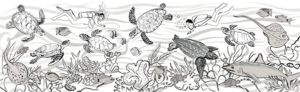
From there, the company looks for a clear, engaging way to translate that information visually. “How do we take complex ideas and make them accessible without oversimplifying? How do we present educational content in a way that feels beautiful, giftable and fun rather than textbook-heavy?”
When designing products, the team considers hierarchy of information, readability, illustration style and tone — making each product work equally well as a teaching tool, conversation starter and design-forward object customers want to display at home.
On the production side, The Unemployed Philosophers Guild pays close attention to materials, printing methods and durability. Bartow said products need to hold up to daily use, feel substantial in hand and arrive retail- ready. From heat-transforming mugs to educational notepads, the company prototypes, tests and refines to ensure the final product feels both thoughtful and well-made.
“At every stage — from research to sketch to shelf — our goal is the same: create something that sparks curiosity, invites learning and still makes someone smile,” she said.
Smart & Engaging Gifts
For zoos and aquariums, some of The Unemployed Philosophers Guild’s bestsellers include sea-life-themed mugs, educational stationery, heat-changing mugs and small tactile items that invite hands-on engagement. Products featuring sea turtles, sharks and birds are especially popular because they connect directly to what visitors have just experienced while remaining appealing to a broad age range.
Bartow said it’s not just kids who want to leave with something from a gift shop. Every visitor — parents, grandparents, couples and adult friend groups — is looking for a meaningful takeaway to remind them of their day.
“That’s where our assortment really shines,” she said. “We offer products that feel sophisticated enough for adult shoppers, clever enough for educators and fun enough for families.”
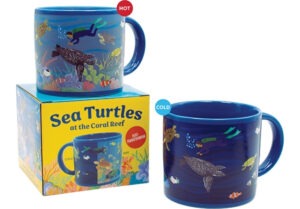
The Unemployed Philosophers Guild’s marine mugs are particularly strong because they appeal to that older audience — they’re useful, design-forward and conversation-starting. At the same time, smaller stationery and impulse items perform well for younger visitors and add-on purchases.
When finding products for zoos and aquariums, Bartow recommends that retailers find a balanced assortment that includes both statement pieces and easy add-ons — pieces that extend the learning experience while still feeling like a treat.
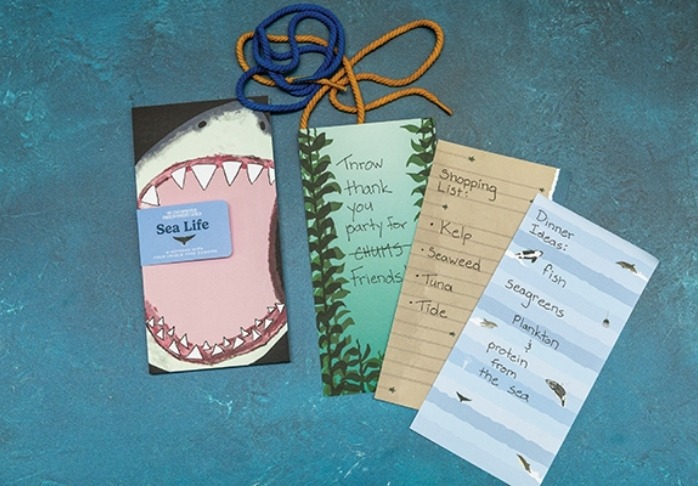
The Unemployed Philosophers Guild’s educational notebooks and Sea Life notepads work great for families, educators and curious kids. Mugs featuring marine life — including the Shark Mug and Sea Turtles at the Coral Reef Mug — offer a strong, giftable takeaway that visitors will actually use.
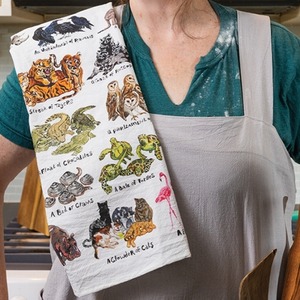
The company’s heat-changing marine mugs add a little magic to the mix. When hot liquid is poured in, hidden imagery is revealed — “making the mug feel interactive, educational and just plain cool,” Bartow said. Smaller items like animal-themed pencils and accessories perform well as impulse purchases, while design-forward home goods such as illustrated towels appeal to visitors looking for something distinctive, thoughtful and lasting.
“We help gift shops offer products that are smart, engaging and just a little bit unexpected — exactly what visitors hope to find after a great day at the zoo or aquarium,” she said.
The Unemployed Philosophers Guild’s collections combine strong storytelling with reliable sell-through.
“They’re evergreen without feeling tired, educational without feeling preachy, and giftable without being generic,” Bartow said. “We design with intention, especially for museum, zoo and aquarium environments where customers want something meaningful and delightful.”
Bartow said retailers come to The Unemployed Philosophers Guild because the company makes products that are smart, funny and actually sell — and make the buying process just as enjoyable.